
Painting is one of those activities where the joy often lives in the flow—the moment when brush meets canvas and ideas spill out without interruption. Yet for many artists, that flow gets interrupted the moment the session ends. Brushes heavy with pigment, colors blending into mud if not cleaned promptly, bristles slowly losing their shape from harsh scrubbing. Over time, these small frustrations add up, pulling focus away from what matters most: creating.
Tools that quietly solve these routine challenges can make a surprising difference. The [NEW STYLE] My Painting Buddy®, also known as the AutoFlow Paint Brush Cleaner, is one such device. Compact, straightforward, and built around a simple automatic water-circulation system, it handles the cleanup part so artists can spend more energy on the painting itself. In this article, we’ll look closely at how it fits into an artist’s daily practice, why brush care matters, and the practical ways this kind of cleaner changes the rhythm of a studio session.
Why Brush Maintenance Deserves More Attention Than It Gets
Brushes are extensions of an artist’s hand. A good brush holds paint precisely, releases it smoothly, and returns to shape after each use. When neglected, even high-quality bristles can fray, splay, or harden, leading to less control and more frustration during the next session.
Traditional cleaning methods—running water, gentle swirls in a jar, mild soap—work, but they demand time and attention right when energy is often lowest (after hours of focused work). Water gets murky quickly, requiring frequent changes. Scrubbing wears down the ferrule and bristles. For oil painters using solvents or acrylic users dealing with fast-drying paint, the process stretches longer still.
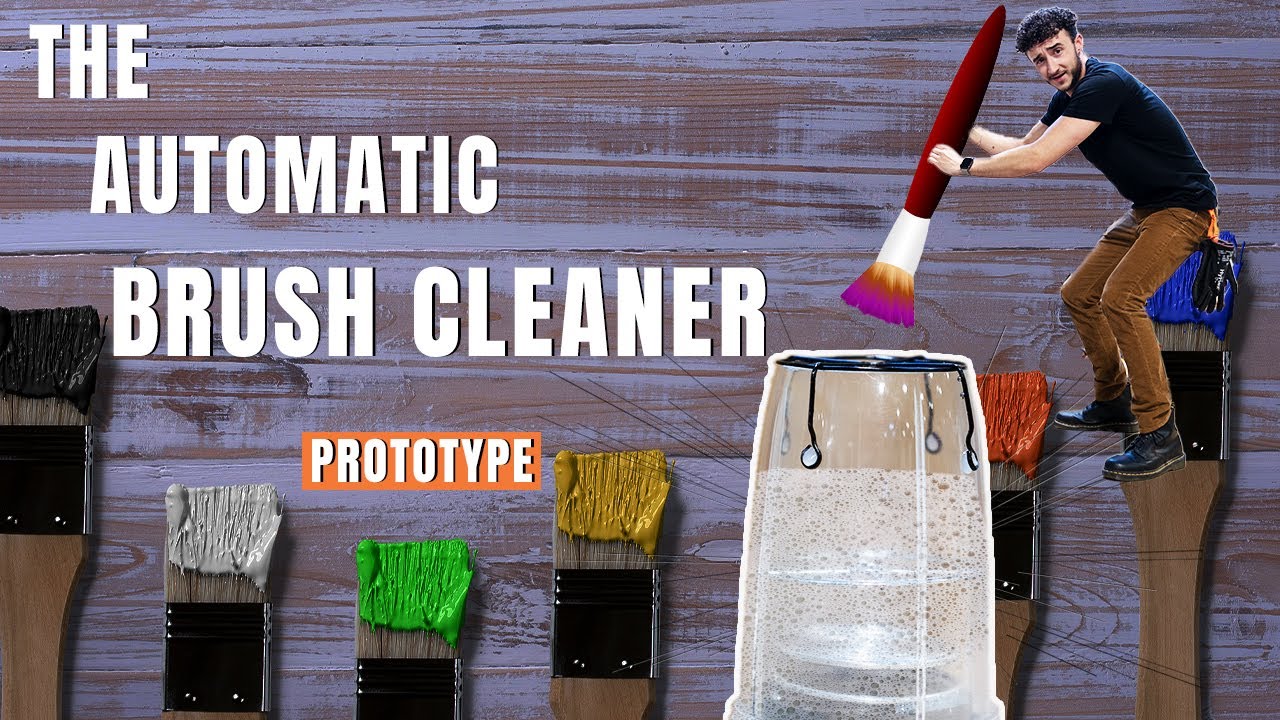
An automatic cleaner like the AutoFlow shifts this dynamic. Instead of manual agitation, it continuously cycles fresh water through a small chamber. Dip the brush, let the flow do the work, and the paint particles lift away more evenly than hand-rinsing alone often achieves. A simple drain button empties the chamber cleanly—no tipping over jars or splashing sinks.


How the AutoFlow Fits Into Different Painting Practices
Artists work in many ways, and a useful tool adapts rather than dictates.
For watercolor painters, who rely on soft, springy brushes, the gentle but thorough circulation preserves delicate hairs without matting or over-stressing them. Quick rinses between colors keep everything pure, preventing accidental muddiness in washes.
Acrylic users often face the biggest time pressure—paint dries fast on the brush if not addressed immediately. The AutoFlow’s continuous refresh helps dissolve and flush away thickened pigment before it sets, making mid-session cleaning feasible without breaking momentum.
Oil painters, working with slower-drying mediums, can add a small amount of their preferred cleaner or solvent to the chamber. The agitation helps penetrate stubborn buildup around the ferrule, where pigment loves to hide.
Mixed-media creators and hobbyists who switch between techniques find the compact size welcoming. It doesn’t dominate limited desk space and stores easily when not in use.

The Quiet Benefits That Accumulate Over Time
One of the most noticeable changes is time reclaimed. What once took ten to twenty minutes of scrubbing and rinsing can shrink dramatically. Those minutes add up across weeks and months—time that can go toward sketching, color mixing, layering, or simply stepping back to evaluate a piece with fresh eyes.
Brush longevity improves too. Consistent, thorough cleaning without aggressive mechanical action helps bristles stay aligned and responsive longer. Replacing high-end brushes less frequently is a practical saving, especially for students or frequent painters on a budget.
The design also encourages better habits. Because the process is quick and contained, it’s easier to clean brushes immediately rather than leaving them to dry with paint residue. That small shift prevents many common problems before they start.
Portability opens new possibilities. The lightweight build and small footprint make it easy to take along for plein air outings, workshops, or weekend retreats. Cleanup no longer depends on access to a sink, so painting sessions can happen wherever inspiration strikes.
Water usage tends to be more efficient compared to leaving a tap running. The chamber holds just enough to do the job effectively, reducing waste in a small but meaningful way.


A Typical Session With and Without
Picture a late-afternoon session: colors are flowing, the light is perfect, but brushes are accumulating layers. Without an automatic cleaner, you pause repeatedly—swirl in a jar, wipe, rinse again, change water as it clouds. Each interruption nudges you out of the zone.
With the AutoFlow nearby, you dip brushes as you go or at natural breaks. The circulation handles most of the work while you continue adjusting values or adding details. At the end, a final pass and a quick drain leave everything ready for tomorrow—no dread, no mess lingering on the table.
Even in shared spaces—art classes, group studios, family creative corners—the contained system keeps things tidy and reduces cross-contamination between users or colors.
Caring for the Cleaner Itself
Like any tool, the AutoFlow stays reliable with minimal upkeep. Rinse the chamber after use, especially after heavy pigment sessions. Avoid letting paint dry inside. Store it dry to prevent any mildew in humid environments. These habits take seconds and keep the device performing consistently for years.
Final Thoughts on Tools That Support Creativity
The best studio companions don’t demand attention—they quietly remove obstacles so the real work can breathe. The AutoFlow Paint Brush Cleaner belongs to that category: simple engineering that addresses a universal pain point without complication or fanfare.
Whether you’re deepening a long-term practice, exploring painting as a new outlet, or teaching others, having reliable brush care changes the experience in subtle but lasting ways. It lets the focus stay where it belongs—on the marks you make, the stories you tell, and the quiet satisfaction of a finished piece.
If you’ve ever felt the drag of cleanup stealing from your creative time, a tool like this can quietly shift the balance back toward joy.